

Four retailers and brands have had ads banned this week by the Advertising Standards Authority (ASA) after failing to make clear how their carbon neutral or carbon positive delivery claims were achieved.
The rulings against kitchenware retailer ProCook, sports retailer SportsShoes.com, loo roll brand Who Gives A Crap and coffee business Grind highlight the importance of providing consumers with transparent information when making environmental claims, particularly where carbon offsetting is involved.
All four cases concerned advertising that promoted carbon neutral or carbon positive delivery without explaining whether the claims were based on actual reductions in greenhouse gas emissions or the purchase of carbon offsetting credits.
The ASA ruled that the advertisements were likely to mislead consumers because they omitted material information about the basis of the environmental claims, breaching the CAP Code covering misleading advertising and environmental claims.
The decisions form part of a wider ASA investigation into advertisements making carbon neutral delivery or similar claims. The watchdog identified advertisements through its own intelligence gathering and its active ad monitoring system, which uses artificial intelligence to proactively search for online advertising that might breach advertising rules.
In the case of ProCook, a Google search advertisement seen in June 2026 promoted next-day delivery alongside the statement ‘carbon neutral delivery’. The retailer explained the claim related only to delivery from its premises to customers, with a third-party logistics provider reducing emissions and offsetting the remainder.
SportsShoes.com similarly promoted ‘carbon neutral deliveries’ in a Google advertisement, explaining that it measured delivery-related emissions and invested in a carbon sequestration project to offset an equivalent amount.
However, the ASA found that neither advertisement explained the role played by offsetting.
Who Gives A Crap’s Meta advertisement featured a video explaining the brand’s history and its use of recycled or bamboo paper, alongside a ‘carbon neutral shipping’ claim. The company said this covered transportation from manufacturing sites through international freight and final delivery to customers, with emissions offset through verified carbon credits. It also highlighted investment in renewable energy and electric vehicles to reduce emissions at source.
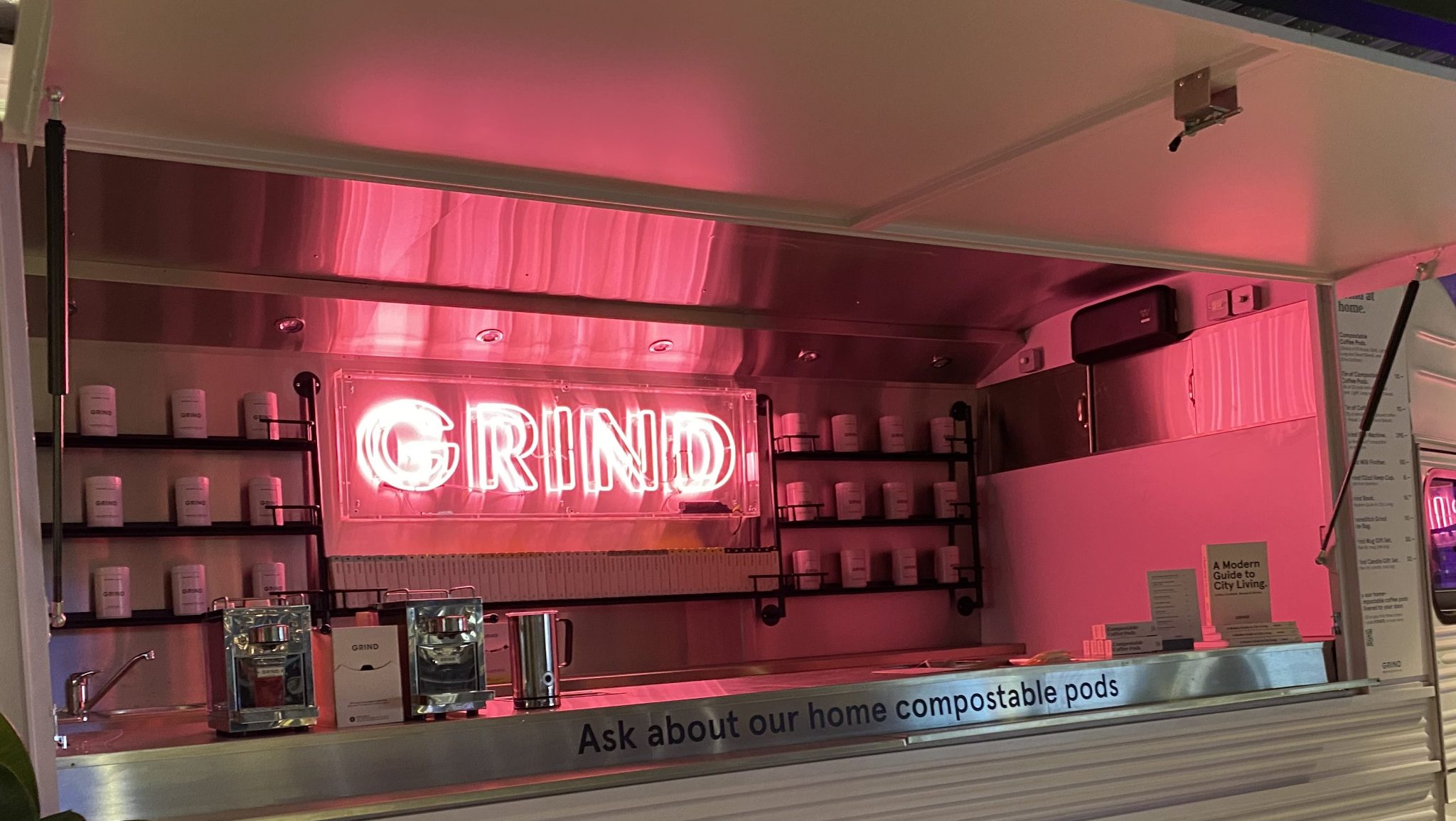
Meanwhile, Grind advertised ‘carbon positive delivery’ through Google search. It explained that a third-party service offset estimated delivery emissions by funding a carbon removal scheme.
However, the ASA considered the term ambiguous, potentially suggesting something more impactful than carbon neutrality, without explaining how the claim was achieved.
In each case, the ASA accepted that the claims related specifically to delivery or shipping rather than the entire product lifecycle. However, it said consumers needed to understand whether carbon neutrality was achieved through genuine emissions reductions, offsetting credits or a combination of both.
The watchdog also rejected the suggestion that limited advertising space prevented the companies from providing sufficient clarification. It noted the Google search advertisements had a 270-character limit, which still allowed room to explain the basis of the claims. Furthermore, the landing pages did not provide the necessary supporting information when the advertisements were seen.
The ASA welcomed steps taken by the businesses, including withdrawing advertisements, reviewing marketing materials and improving website explanations. However, it ruled that none of the four advertisements could appear again in the form investigated.
The decisions provide a further reminder to retailers and brands that environmental marketing claims must be specific, substantiated and transparent. Simply describing delivery as carbon neutral or carbon positive is not enough: businesses must explain what the claim covers and how the environmental benefit is achieved.
Banned ads: ASA upholds P&G complaints about Kit & Kin and Cheeky Panda claims
[image credit: Green Retail World]


