

Waitrose, Marks & Spencer, Nestlé and McDonald’s are among 14 major food businesses to sign a new global commitment aimed at accelerating the adoption of regenerative agriculture and building more resilient food supply chains.
The Regen Compact, led by the Circular Bioeconomy Alliance (CBA), brings together senior executives from across the food sector to support farmers in adopting nature-positive practices, with each signatory committing to embed more regenerative agriculture into its business operations.
The initiative comes after a year of extreme weather, including heatwaves, drought, wildfires and flooding, which has placed further pressure on agricultural production and farmer livelihoods. The UK is heading for its smallest cereal and oilseed harvest on record, according to the Agriculture and Horticulture Development Board, highlighting the growing risks to food security and the need for farming systems to become more resilient.
The Regen Compact aims to accelerate the adoption of regenerative solutions that already exist but are not being implemented at sufficient scale. It encourages businesses to provide farmers with greater long-term commercial certainty, invest directly in support programmes and reduce barriers to changing farming practices.
Marc Palahí, CEO of the CBA, commented: “The nature-climate crisis has reached a tipping point that is putting food security at risk.
“The good news is that we have the knowledge to reverse the situation. It requires transforming our food systems around nature, adopting ecological principles as the basis for delivering economic outcomes.”
Among the signatories, Waitrose is building on its existing ‘Farming for Nature’ programme, launched in 2024, which aims to help all its more than 2,000 UK farmers and growers adopt nature-friendly practices by 2030.
The retailer provides farmers with access to Land App and specialist advice to map their land and plan changes. More than 900 farms, covering over 240,000 hectares, are already participating, while the number of early adopter farms is expected to increase from 200 to 500 by the end of 2027.
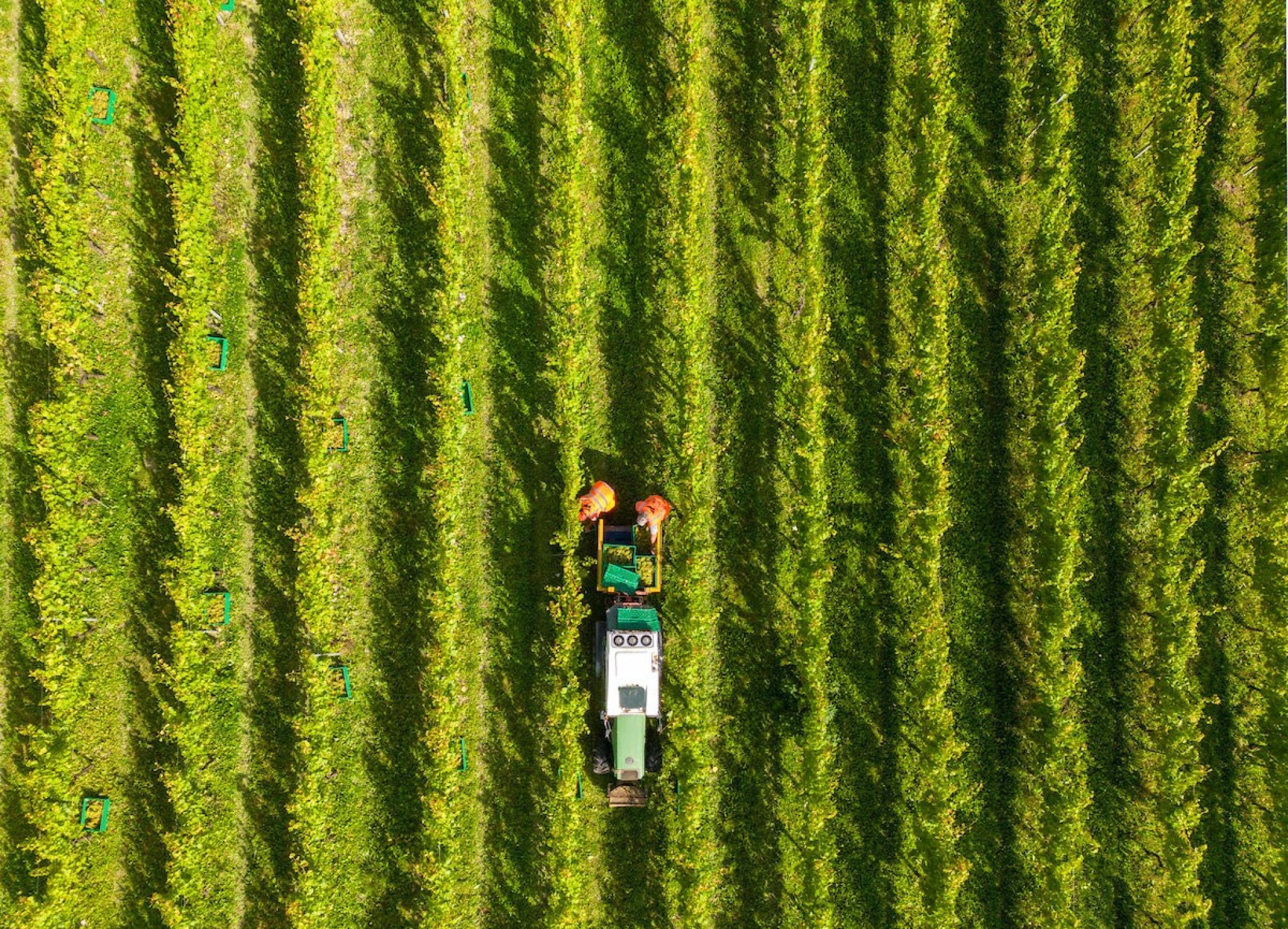
Waitrose also funds independent soil, biodiversity and water assessments on around 100 farms through Regenified and is extending longer-term supplier agreements to give farmers greater confidence to invest. Its own Leckford farm in Hampshire has been managed to regenerative principles since 2020.
Tom Denyard, managing director of Waitrose, said: “Regenerative farming is about looking after the soil, so it can keep feeding us through the good years and the bad. Farmers are leading the biggest change in how British food is grown for a generation, and backing them has never been a side project for us.”
Reality of regenerative farming: Waitrose launches YouTube film with National Geographic
Nestlé CFO Anna Manz said regenerative agriculture was “critical to building more resilient supply chains”, adding that farmers could not make the transition alone and that businesses needed to share their learnings.
The other signatories include Agrolimen, Aldi Süd, Danone, Gail’s, Lidl GB, Mars, McCain Foods, Silver Fern Farms, Wildfarmed and Yeo Valley.
The Regen Compact is built around five principles: being farmer-led and nature-based; resilient; holistic; context-specific; and transparent and affordable. Signatories will track their progress, with the European Alliance for Regenerative Agriculture independently benchmarking corporate actions against a set of established principles.
The CBA, established by King Charles III, said the initiative would also bring farmers, financial institutions, NGOs and other organisations together to attract investment and encourage wider adoption of regenerative practices.
[image credit: Waitrose]


