

Green Retail World has covered big news from Waitrose and Currys this week, as well as a big interview for our Greener Retailing Champions series with Segura’s Ed Austin. But here are five additional news-in-brief items to round up the last seven days in greener retailing.
Sunshine on Co-op
Co-op and renewable energy provider Zestec have agreed a partnership which will result in the installation of 30MW of rooftop solar power across up to 700 of the retailer’s UK sites.
Under Zestec’s Power Purchase Agreement (PPA) model, the energy company will design, develop, fund, and actively manage rooftop solar PV systems across key Co-op locations resulting in “clean onsite generation without upfront capital costs” for the retailer. Zestec is working with Custom Solar for this project.
Heather Thomas, group property & sustainability director at Co-op, commented: “Our investment in onsite power generation across our estate is part of Co-op’s commitment to playing its role in the transition to net zero.
“This project, alongside increasing our investment in corporate PPA is crucial to guaranteeing that the energy we use in our operations is renewable and traceable.”
Toby Smith, Zestec COO, added: “As part of the Octopus Energy group, Zestec will provide the funding, development, and operational management of this solar portfolio. We look forward to working with the teams and turning this important ambition into a reality.”
Tesco to carry more goods around UK by rail
Tesco announced this week it will carry a further 31 million cases of goods a year across the UK via its rail network – instead of by lorry.
It introduced its tenth rail service this week, and the latest ‘Tesco train’ will – according to the retailer – shift 600,000 cases per week, replacing more than 90 trips per week previously needed to move goods from its main distribution centre in Daventry to its site in Widnes.
Estimated annual emission savings from this move equate to more than 6,000tCO2e, and the new service is in partnership with Direct Rail Services and Maritime Group.
Overall, the total number of cases moved by the Tesco rail network will add up to more than 300 million per year, the grocer said.
Suppliers benefitting from a return route put in place include L’Oréal, AB World Foods, PZ Cussons, and Heinz – with beauty, grocery and household products being moved onto the service soon – resulting in efficiencies in their supply chains as well.
Ken Murphy, Tesco Group CEO, said: “Tesco’s distribution network is one of the most extensive in the UK and plays an important role in our efforts to become carbon neutral in our own operations by 2035.
“Switching from road to rail allows us to get products to our stores in a more sustainable way, by removing thousands of lorry journeys each year and reducing our carbon emissions.”
John Williams, Executive Chairman – Maritime Group said: “We are pleased to welcome this important new service to our terminal in Manchester, and continue supporting Tesco with ‘final-mile’ deliveries to its regional distribution centre and store locations in the north-west.”
Aldi introduces HVO-powered trucks
Aldi has said it is converting more than 30% of its fleet of owned HGVs to operate on hydrotreated vegetable oil (HVO) fuels.
More than 160 HGVs based at its Cardiff, Swindon, and Neston distribution centres will be reengineered to use HVO, and the retailer said it could reduce its carbon footprint by approximately 15,432 tonnes of CO2e per year as a result.
HVO is a diesel alternative that significantly lowers greenhouse gas emissions compared with conventional diesel, and is used by other retailers – including luxury department store Harrods.
Aldi said if the move was implemented across Aldi’s entire fleet of 550-plus HGVs, the change could eliminate an additional 55,130 tonnes of CO2e per year.
Liz Fox, national sustainability director at Aldi, said: “Switching to HVO fuels on our lorry fleet aligns with our long-term sustainability goals and reflects our commitment to reducing our carbon emissions.
“We are always looking for ways to continue our efforts to drive positive change across the business and this move in particular is a significant milestone for Aldi.”
Asda extends Too Good To Go partnership nationwide
Asda said this week it is extending its partnership with surplus food marketplace Too Good To Go, and the service – which gives consumers a chance to order would-be waste food near the end of its edible life and collect it in store for a reduced price – will soon be in 1,000 sites.
So-called ‘Surprise Bags’, featuring a selection of goods close to the end of their expiry date, will be available from from Asda supermarkets for £3.30 and they will include a minimum £9 worth of goods.
Asda formed the original partnership with Too Good To Go in 2021 through the former EG Group convenience sites. It said more than two million kilograms of perfectly good food has been saved from going to waste as a result of the tie-up to date.

“Alongside our existing food waste reduction partners, Too Good To Go will play an important role in continuing the progress we’ve made to date in minimising waste and supporting customers, communities and charities.”
Waitrose announces ‘corking’ idea
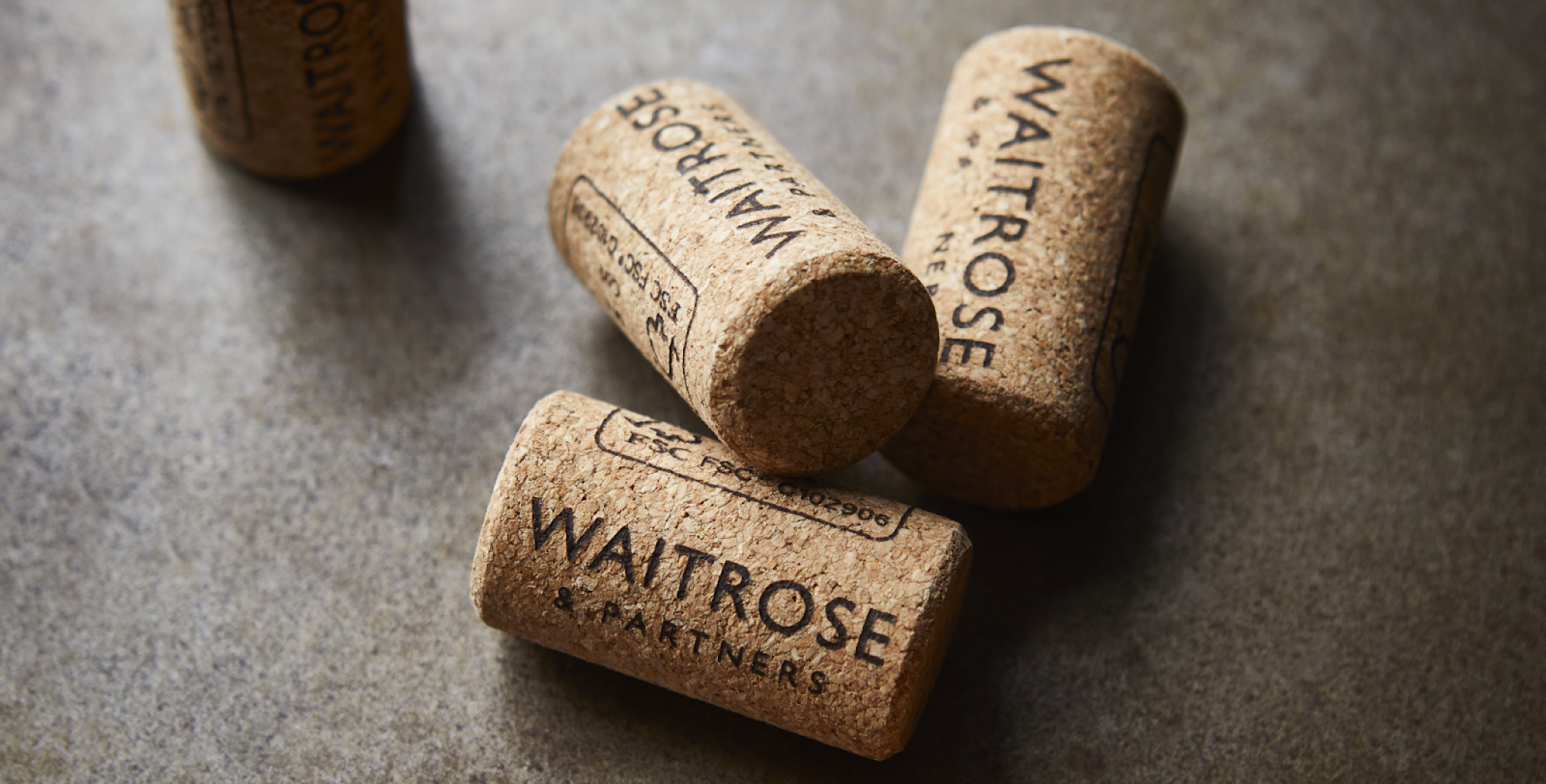
From 7 October, Waitrose will trial cork recycling in seven stores across the UK.
Individual collection points will be set up in Waitrose Salisbury, followed by its shops in Saltash, Lymington, Bath, Godalming, Truro and Maidenhead. Customers will be encouraged to deposit their used natural corks for recycling via Amorim, which describes itself as the largest cork processing group in the world.
Barry Dick, beer, wine, and spirits global bulk wine sourcing manager, said: “Waitrose customers get through a corking nearly 25 million natural corks a year.
“Currently this valuable material does not have its own waste stream which means it ends up in landfill. Cork is a durable material and has the potential to be repurposed into a variety of products after it has been used as a wine cork.”
He added: “This trial is a fantastic way for us to reduce waste and play a part in improving our sustainability as a category. Once we’ve gauged our customer’s appetite to return their natural corks, we’re hoping to roll the trial out to further stores from next year.”
Recycled natural cork can be repurposed into countless new applications such as mulch – great for healthy soil – as well as household items such as placemats, coasters, flooring or even shoes. Waitrose said it will learn from the trial to determine how best to roll it out more widely.
Majestic Wine already offers a cork recycling scheme in its stores across the UK.
[main image credit: Waitrose]


