

The UK government has announced changes to packaging Extended Producer Responsibility (pEPR) that it says will deliver a fairer deal for pubs, restaurants and hospitality businesses, while providing support for the UK glass industry.
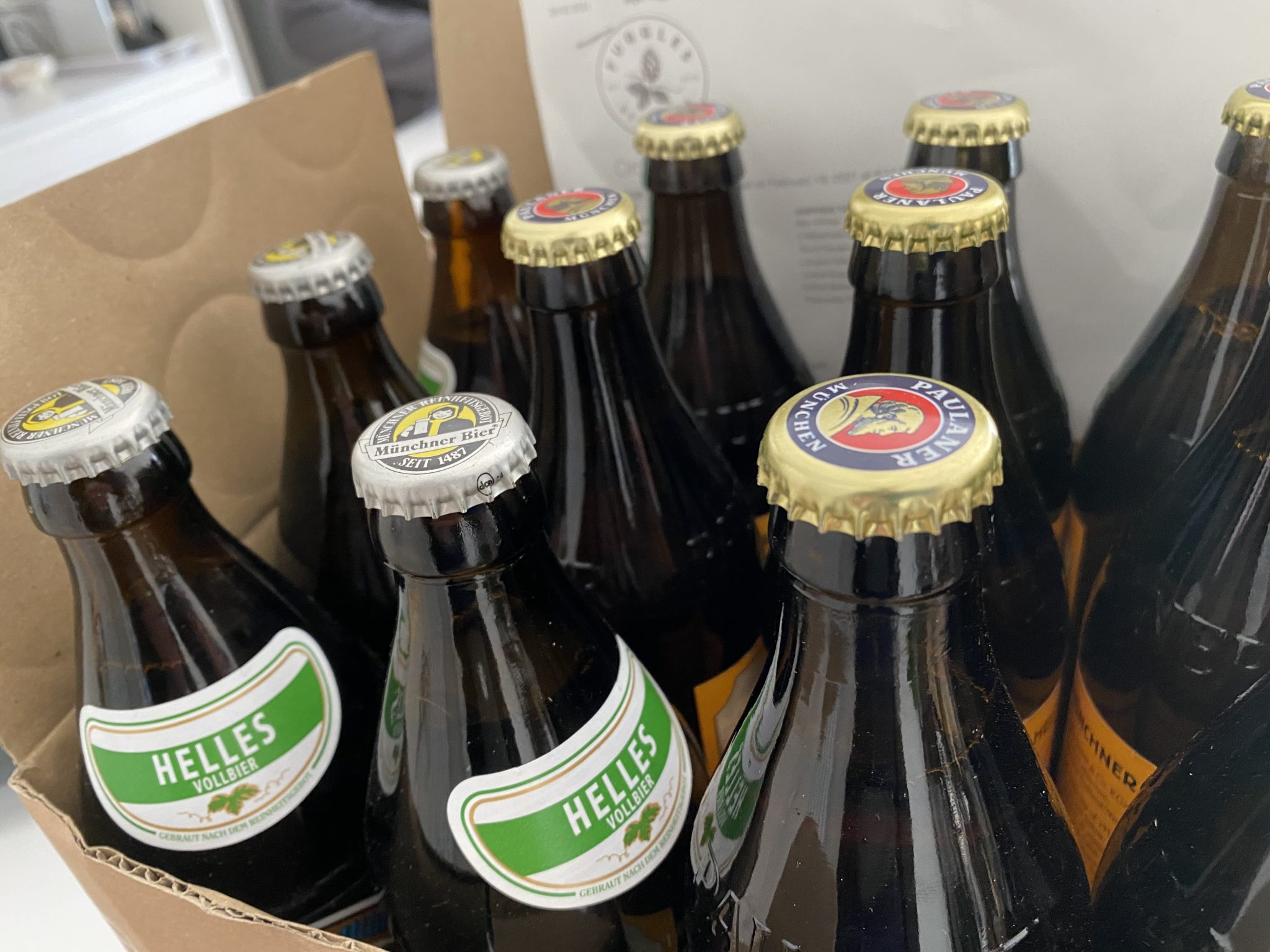
Under the measures, glass drinks containers supplied directly by producers to pubs, restaurants and other licensed hospitality venues will be exempt from pEPR fees from April 2027. The move is designed to tackle what the government described as double charging for recycling the same packaging, with estimated savings of up to 6p per beer bottle and 10p per wine bottle.
For a pub selling 10,000 beer bottles and 3,700 wine bottles, this could represent an annual saving of up to £870.
The government also intends to consult on changes to packaging waste fees, so that easily recyclable materials such as glass and paper cost less, while harder-to-recycle packaging, including some plastics, attracts higher charges. This could help reduce fees for the most recyclable packaging by up to 40% annually.
Environment secretary Dame Angela Eagle said the government had listened to industry and hospitality businesses and was stepping in to tackle unfair costs.
Green Retail World has rounded up some views from the industry.
Nick Kirk, executive director of British Glass, welcomed the announcement, describing it as recognition of the importance of the domestic glass industry and the need for “a fairer approach to packaging fees”.
He said the proposed changes would better recognise the environmental benefits of glass, alongside other recyclable materials such as metal and paper, and give manufacturers greater confidence.
However, Kirk stressed the announcement was a first step, with reforms not taking effect until April 2027. Glass manufacturers continue to face pressure from high energy costs, international competition and uncertainty over future packaging policy.
British Glass particularly welcomed plans to update the glass material value, accelerate fee modulation and review future fee structures. It also highlighted forthcoming government calls for evidence on packaging reuse and modulation as opportunities to build a system that rewards circularity and actual recycling outcomes.
The hospitality sector has also welcomed the proposed changes, although there are concerns about how widely the benefits will be felt.
Emma McClarkin, chief executive of the British Beer & Pub Association, said there would be “much relief” across the sector, with the measures potentially reducing cost pressures on British brewers by tens of millions of pounds in total.
However, she warned around 12,000 publicans operating leased and tenanted pubs as small and medium-sized enterprises must also benefit. Otherwise, more than a quarter of Britain’s pubs could miss out on the changes.
Andy Bagnall, director general of the British Soft Drinks Association, described tackling double charging for drinks containers supplied directly to hospitality as “a significant first step” towards addressing unfair packaging costs.
However, he said further work was needed to address indirect supply arrangements, welcoming the government’s commitment to work with industry on a solution.
The changes form part of wider reforms to pEPR, under which producers contribute towards the costs of managing packaging waste. The government said £1.4 billion has already been provided to councils through the scheme to improve recycling services.
Further measures are planned, including a call for evidence next month on scaling up packaging reuse, followed by a PackUK consultation in early 2027 on packaging waste fees.
Separately, investigations into Chinese and Turkish glass container imports are continuing, with a provisional anti-dumping measure on Chinese imports introduced in September.
[image credit: Green Retail World]


