

Japan-based conglomerate Suntory Holdings has reported success related to a year-long biochar pilot programme which involves the upcycling of manufacturing byproducts.
The company, which owns brands such as Orangina, Lucozade, Oasis, BOSS coffee, Suntory Tennensui water, TEA+ Oolong Tea, and V energy drink, has been working with agri-tech organisation Towing to find ways to use byproducts from its production processes.
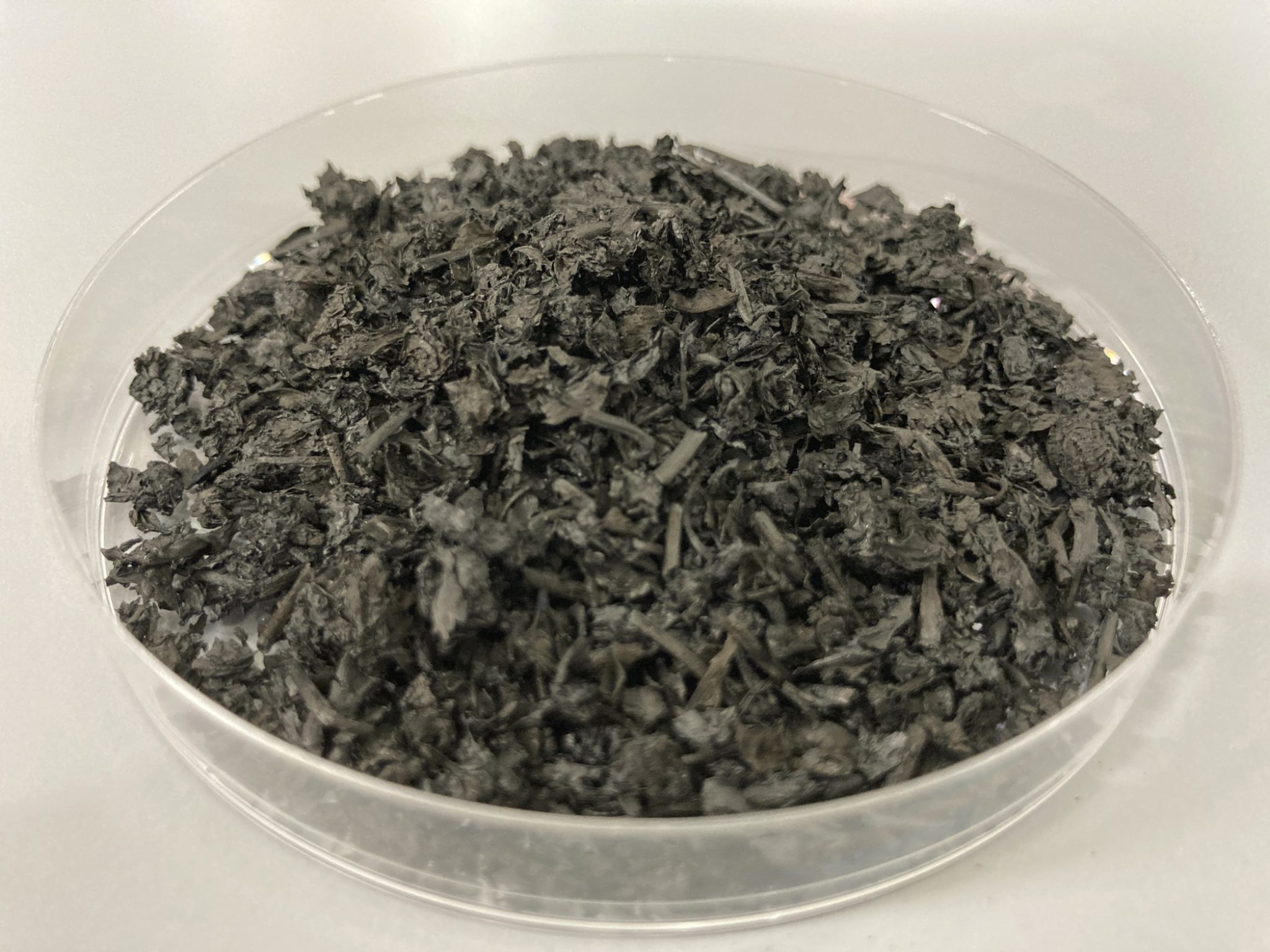
By creating “high performing biochar”, which is best described as a soil amendment created by adding soil-based microorganisms into carbonised unused biomass (biochar), the company can accelerate the decomposition of organic fertilisers. As well as suppressing use of chemical fertilisers, it puts would-be waste to good use thus driving a more circular business model for Suntory.
Suntory said the pilot programme, which began in May 2025, delivered approximately 30% yield improvements. And based on these results, the two companies are already scaling up production of high-performance biochar and aiming to establish a regional circulation model in the Kyushu region of Japan.
The biochar was produced by carbonising beverage residues – in this case, used green tea leaves from Suntory Group’s manufacturing processes. When combined with Towing’s multifunctional microbial groups and added to tea plants at Suntory’s contract farm the results were deemed hugely positive compared to the use of conventional organic fertilisers.
In the scaled up programme, the biochar will be produced using beverage residues from Suntory’s beverage plants across the Kyushu region and applied at tea farms that supply raw ingredients. This approach will enable the establishment of a regional resource circulation model that recycles resources within the same area, according to Suntory.
And furthermore, Suntory and Towing are exploring opportunities to expand the potential of high‑performance biochar outside of Japan. A project in Thailand is now in its second phase, for example, in which high‑performance biochar produced from rice husks is applied to sugarcane fields.
Jun Asaki, chief sustainability officer of Suntory Holdings, said: “Advancing from demonstration to early commercialisation is a meaningful milestone for our partnership with Towing.
“We believe high-performance biochar can help reduce chemical fertiliser use, support GHG emissions reductions, improve yields, and advance circularity through upcycling, and we will continue to move these efforts forward.”
Kohei Nishida, founder & CEO of Towing, added: “Our goal has been to bring Japanese academic innovation into practical agriculture and scaling that innovation required strong partners.
“With Suntory’s support from the very beginning – through close collaboration and connections with key partners – we have achieved the successful commercial launch of this high-performance biochar. Together, we aim to accelerate its adoption in Japan and globally, supporting next-generation agriculture that reduces chemical fertiliser use, advances carbon neutrality, and ensures stable crop yields which helps address global food challenges and build a more sustainable future.”
[image credit: Suntory Holdings]


