

Ex-Tesco and Decathlon sustainability leader Anna Turrell has been appointed chief sustainability officer for Mars Snacking.
Turrell – who maintains several sustainability advisory roles – is back after a year away from permanent employment. She joins Mars Snacking in the wake of its December acquisition of Kellanova, which owns brands such as Pringles, Pop-Tarts, and the Kellogg’s international cereal brands.
Commenting on LinkedIn, Turrell said: “I’ve worked with many organisations and industries over the years and I keep coming back to food.
“Whilst we can all have an opinion on what food system transformation should mean, the reality is that every single part of it counts. Which is why we all need to work together differently if we want to realise a future that works for all of us; people and planet.”
Turrell left her position as Decathlon chief sustainability officer in February 2025, after almost two years in the job where she oversaw a raft of circular economy initiatives including a dedicated push into selling second-hand goods and experiments with running rental services.
Prior to that she had a group-level sustainability director role at the UK’s largest retailer, Tesco, where she spent three years before departing in June 2023. Her career also includes a spell as head of sustainability at another food manufacturer, Nestlé.
At the end of 2025, Turrell joined nature impact and risk assessment company Natcap’s advisory board, where her role is to share expertise across the consumer goods and retail sectors directly with Natcap’s customers and team.
Meanwhile, her new employer Mars announced in September last year that all ten of its Mars Snacking factories in Europe are now fully powered by renewable energy. Years of investment, including €1.5 billion over the past five years, have led to this position – with Mars having invested in its first European windfarm back in 2016.
Mars said in addition to making investments to reduce and convert energy consumption, it has purchased Guarantees of Origin certificates for the remaining renewable electricity and biomethane equivalent to the amount of electricity and natural gas used in the company’s direct operations for confectionery in Europe.
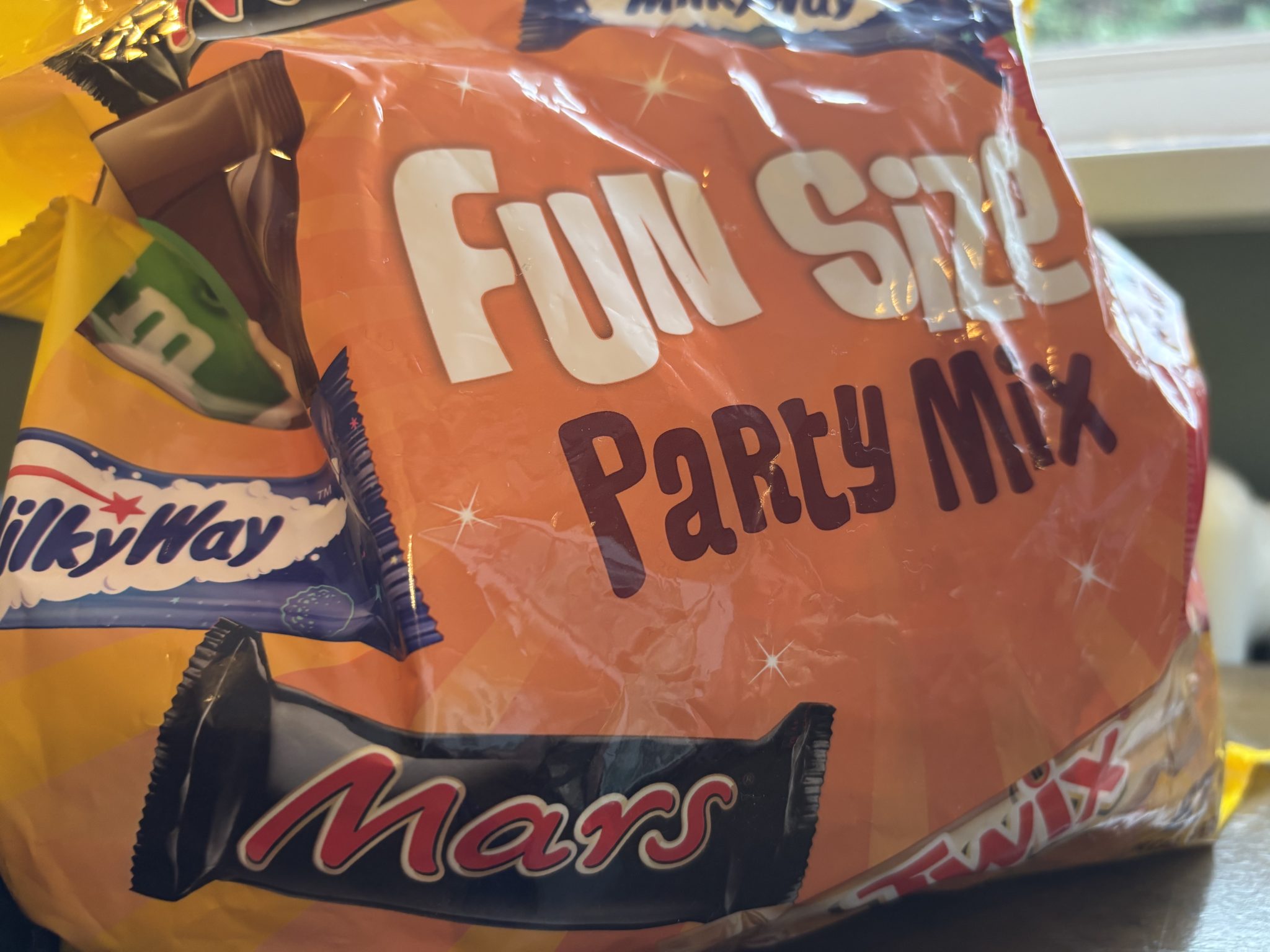
Its renewable energy-powered factories are located in the Czech Republic, France, Germany, the Netherlands, Poland and the UK – and between them, they produce 900,000 tonnes of products including as Snickers, Twix, and Skittles.
Mars aims to be a net zero company by 2050, and plans to have invested another €1 billion by the end of 2026 in order to support consumer-driven innovation, economic growth, resilience, and modern, energy-efficient infrastructure.
[image credit: Green Retail World]


