
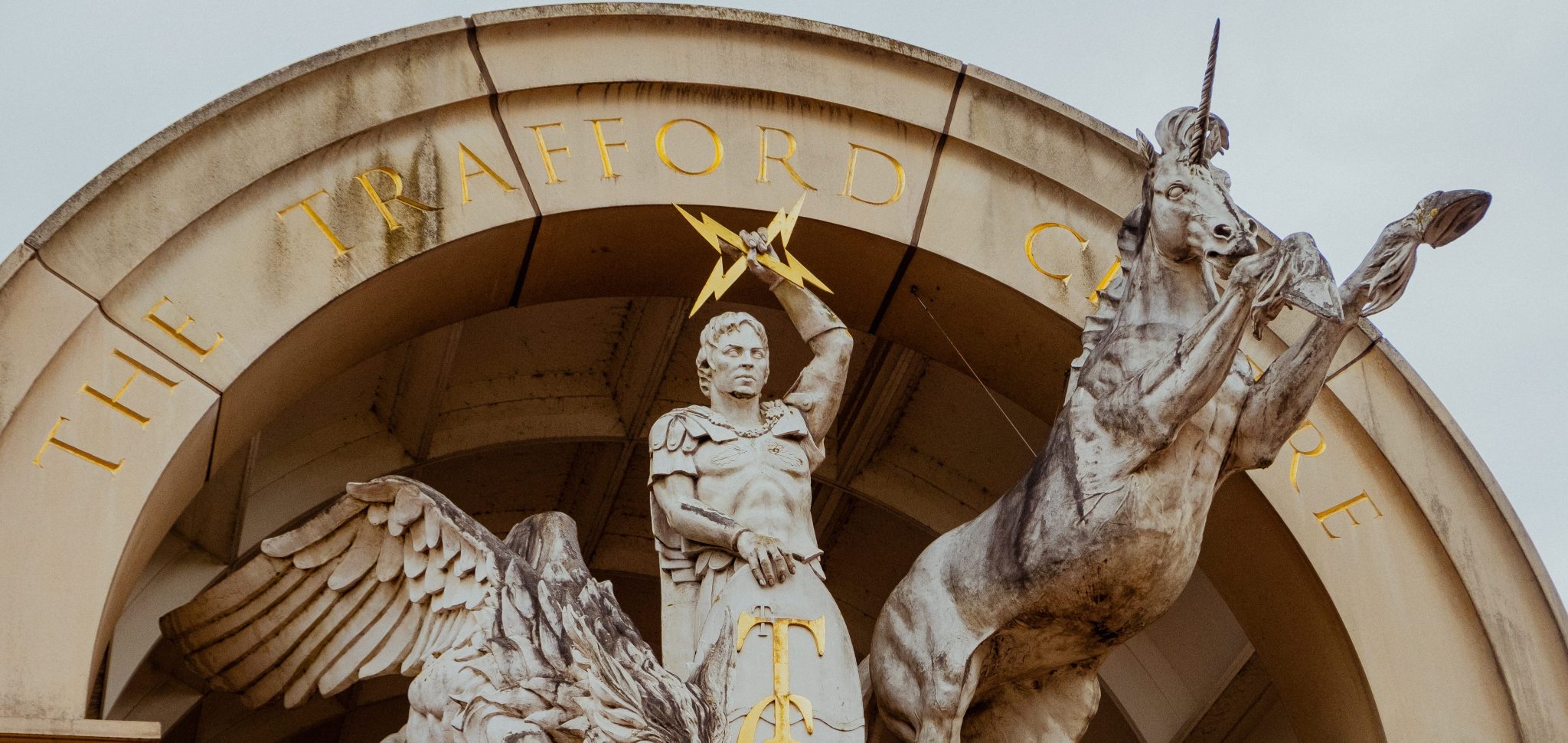

A higher number of staff at Manchester’s Trafford Centre staff are now leaving their cars at home when travelling to work, while public transport use is growing among the shopping and entertainment venue’s customer base.
Transport was one of the key areas of progress included in the Trafford Centre’s 2025 ESG Report, which was published last week.
Highlights from the report include footfall into the centre via the local Metrolink tram network jumping 14% year on year, while 12% of staff are opting to walk, cycle or run instead of bringing the car to work.
Some 116,390 electric vehicle charging sessions were delivered in 2024, which was 27% up on 2023, while the Trafford Centre said every possible vehicle in its on-site fleet is now run on zero emission fuel.
It marks progress on last year, when it reported successes such as energy consumption reduction and ongoing talks with tenants about adopting ‘green’ leases.
Simon Layton, centre director at Trafford Centre, said: “We’ve made some significant advancements over the last two years, exceeding targets and winning awards for our progress, which we can be really proud of, but this is a constantly evolving journey and there is still more to do.
“A key priority for us this year is further supporting people throughout the Greater Manchester region with the launch of our very own registered charity. I’m looking forward to sharing more details on this soon.”
He added: “Until then, we remain focused on holding ourselves accountable and reporting against industry frameworks, minimising our environmental impact, looking after our people and creating real social value for the communities we’re privileged to be a part of – now and for our future.”
It is two years since Trafford Centre launched its ‘For Our Future’ ESG programme. The key objective is to be net zero carbon in the spaces it controls by 2030.
Biodiversity was another key delivery project for 2024/2025, focusing on the Wilderspool Woods area of the estate. The centre said native wildlife species have been provided with safe, sustainable homes with new boxes for bats and birds, while a hibernaculum was installed to shelter animals during winter and enhancements to pond areas were made to attract geese. Discarded logs were used to construct bug hotels for beneficial insects, while the team have planted 45,000 bulbs, installed six beehives and now regularly survey the health of the on-site trees.
Meanwhile, in 2024, the Trafford Centre’s Sustainability Impact Report itself was judged to be “the most accurate, well-structured and informative ESG report of the year” in the ESG and Sustainability Awards.
[image credit: Trafford Centre]


