
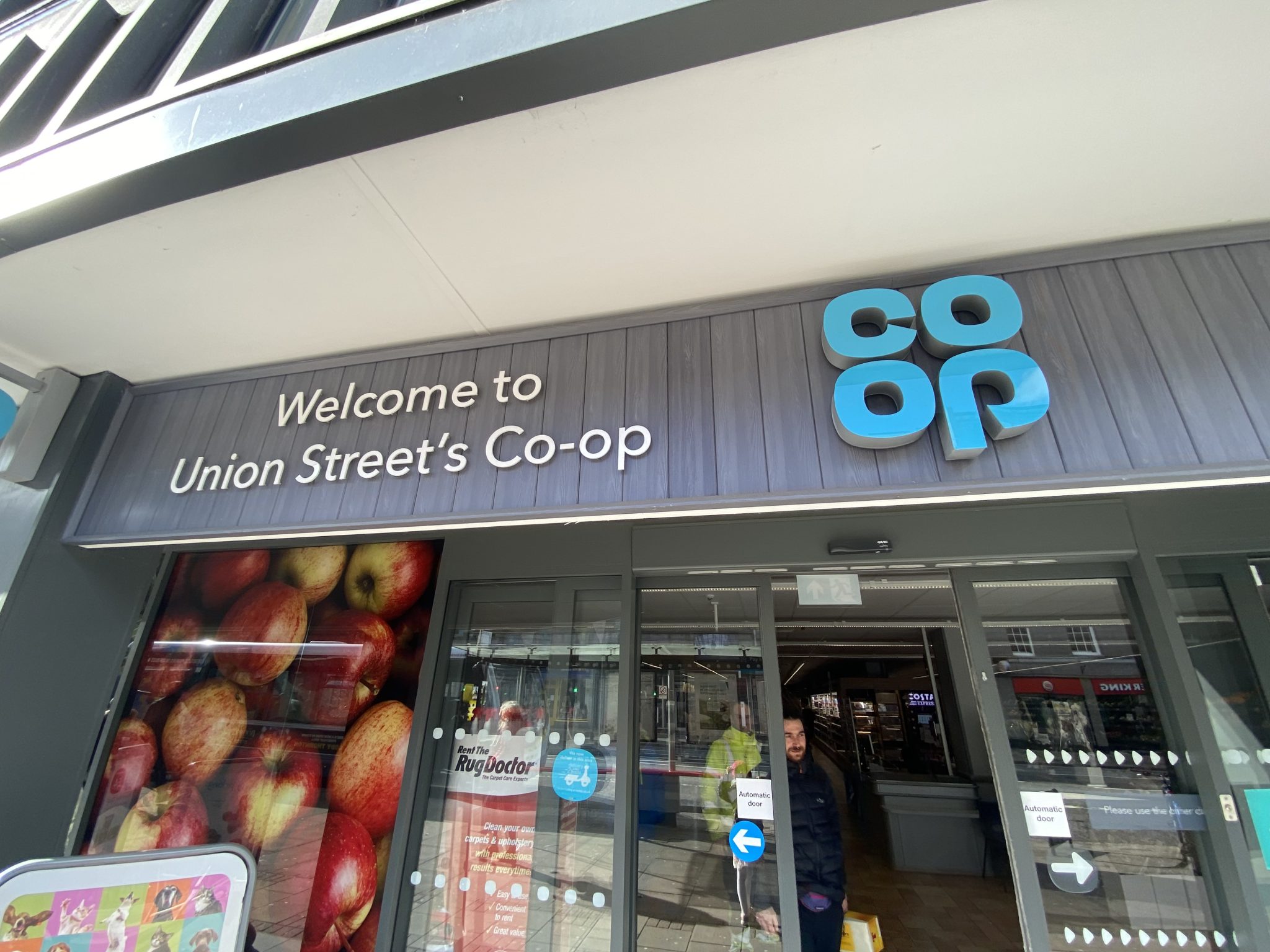

Co-op Group has extended its sustainability linked credit facility by five years to November 2029, and in the process continues to align the cost of borrowing to its environmental, social, and governance (ESG) targets.
Co-op, which runs grocery stores and provides other services such as funeral care, said the extension of the £400 million revolving credit facility underlined its commitment to a more sustainable future as well as providing a backstop liquidity facility for the group.
The six banks supporting Co-op in the sustainability-linked credit facility are: National Westminster Bank, Barclays Bank, Handelsbanken, Lloyds Bank, ING Bank and Santander.
The arrangement builds on Co-op’s updated sustainability and social targets announced earlier this year and is linked to the group’s ambitions to reduce carbon emissions across its supply chain and bring down levels of food waste. The extended facility reiterates these previous commitments but adds in a new gender and ethnicity metric.
Specifically, Co-op is aiming to have 79% of suppliers enrolled in the Science Based Targets initiative by end of 2030 from a starting base of 47%. It also want to reduce c.650 tonnes of food waste per year across stores and depots.
Co-op also wants to have the proportion of women and ethnic minorities at management levels to align with Office for National Statistics published UK population data.
Rachel Izzard, chief finance offer at Co-op, said: “The successful extension of our credit facility out to 2029 underscores the improved financial position of our Co-op, the balance sheet strength we now have to fuel our sustainable profitable growth ambitions, and the collective confidence in our ongoing financial resilience.
“As a Co-op we are here to create sustainable value for our more than six million active member-owners and the communities in which we operate and source from.”
She added: “It is wonderful, and true to our Co-op heritage and values, to be able to weave our social value commitments into our longer-term funding strategies. I would like to personally thank our partner banks for their shared commitment in supporting these important areas, which matter so much to our member-owners.”
Although the sustainability-linked credit news is positive, environmental organisation WWF warned this week that UK supermarkets’ goal to secure deforestation-free food by 2025 is unlikely to be met.
In its annual report on progress by the major UK grocers, including Tesco, Sainsbury’s, Co-op, Lidl and others, to halve the environmental impact of the average weekly shop, WWF said retailers were off track on several measures, including ensuring food products such as soy, beef, cocoa and palm oil are not causing deforestation.
[image credit: Green Retail World]


