

Currys, John Lewis Partnership, Ocado, and Screwfix were announced as “winners” for their sustainability efforts in this year’s Climate Action Roadmap Showcase run by the British Retail Consortium (BRC).
Retailers in the UK submitted their environmental initiatives to the BRC across several categories, and the aforementioned four businesses were “highly commended” by the judging panel.
This year’s judges, included:
- Nick Beighton – CEO of MatchesFashion
- Bea Elliott – retail & sustainability consultant, IBM Consulting
- James Harman – business development & retail specialist, Mitsubishi Electric
- Lindsay Hooper – executive director of Cambridge Institute for Sustainability Leadership
- Hugh Jones – managing director at Carbon Trust
- Steve Kenzie – executive director at the UN Global Compact Network, UK
- Matt Mace – content editor at Edie
- Seb Munden – chair of Wrap
- Toni Pearce – interim director of advocacy at WWF
- Baroness Kate Parminter – chair of Lords Select Committee on Climate Change
Here’s what the quartet of retailers were highly commended for:
Reducing waste
Currys is reducing electronic waste by increasing the lifetime of electronic devices through a live repair service, making almost 1.3 million repairs last year. It is also increasing the number of unwanted customer items it takes back and recycles.
Changing consumer behaviour
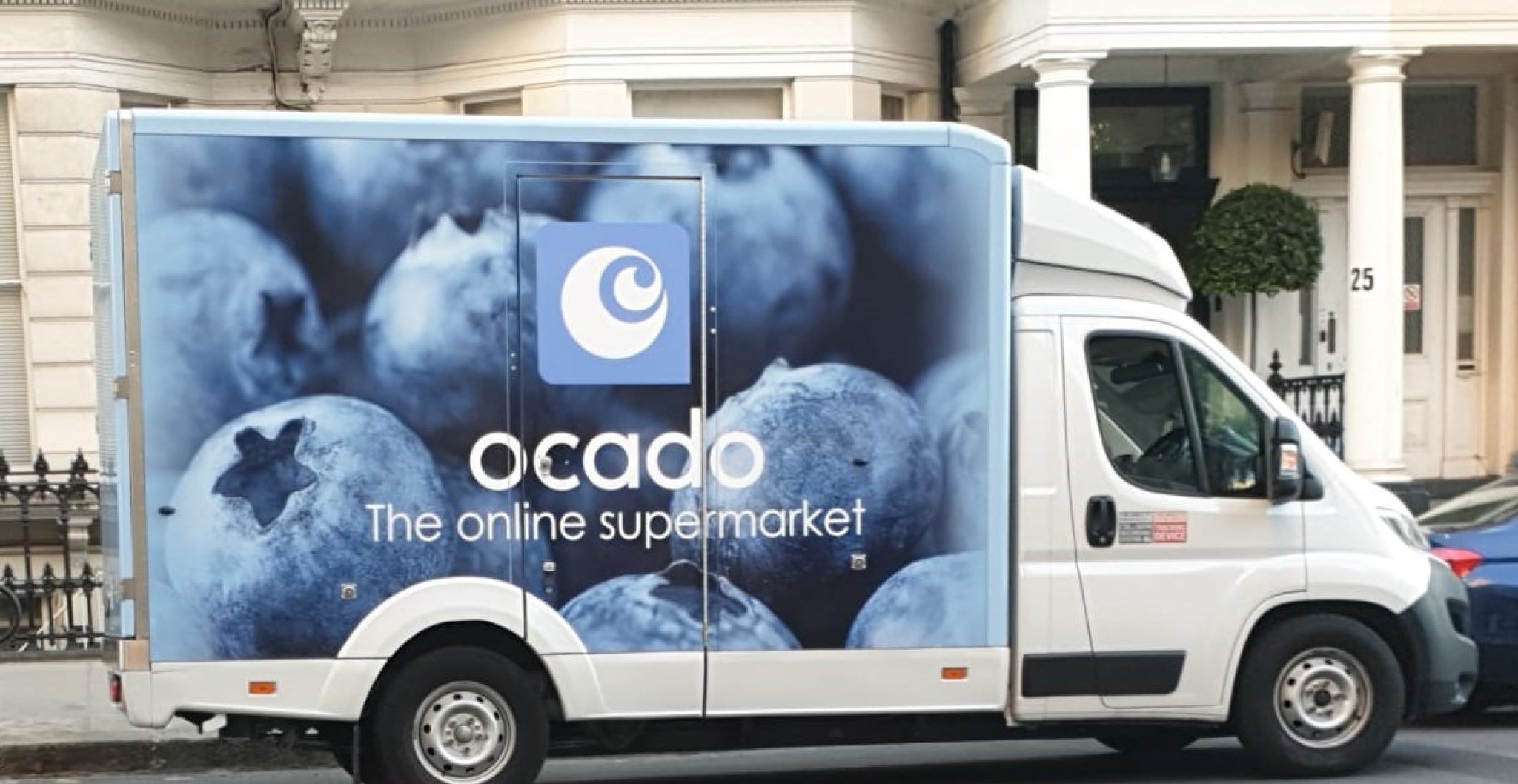
Ocado debuted a digital deposit return scheme pilot for milk bottles in partnership with Polytag. The initiative demonstrated that households would be able to scan their discarded packaging before recycling, and redeem their deposit through a mobile app.
Driving towards net zero properties
John Lewis Partnership has worked with Wirth Research, using digital models, updated in real time, to test possible heat pump options. Solutions have been integrated in Waitrose shops’ refrigeration systems, alongside refrigeration upgrades.
Reducing emissions in transport and logistics
Screwfix decreased fleet emissions by 17% by increasing the proportion of the fleet run on hydrotreated vegetable oil to 85%. This fuel is sourced from renewable feedstocks that are unsuitable for human or animal consumption.
Interestingly, the judges did not name a winner for tackling emissions in the supply chain, saying they did not feel there were any single entries with a clear and large enough supply chain focus. Scope 3 emissions comprising the long-tail supply chain of retailers are where there is the greatest opportunity to reduce carbon footprint.
Read all the Climate Action Roadmap Showcase submissions here
Helen Dickinson, CEO of the BRC, commented: “The cost-of-living crisis means retailers are focusing ever harder on delivering their customers with the best possible value.
“However, the commitment to the environment remains strong, and the Showcase gives a flavour of the incredible innovation and ambition to sustainability taking place right across the industry. Submissions showed us some of the best practice the industry has to offer, and an opportunity for retailers large and small to learn from each other.”
She added: “There is still so much more to do. Retail goods are responsible for 30% of all household greenhouse gas emissions. With the terrible impact of climate change being seen day in day out, we must act quickly and decisively and not let the cost-of-living crisis slow us down.”
Dickinson said reducing energy bills, developing new services to repair products, or minimising logistics costs are all examples of the commercial benefits from retailers adopting strategies to reduce their impact on the planet.
Other “commended” entries this year included Marks & Spencer and Simba for finding ways to reduce waste, Dunelm for changing consumer behaviour, Central England Co-op for driving towards net zero properties, and Costa for reducing emissions in logistics and transport.
Read about last year’s Climate Action Roadmap Showcase on Green Retail World
[Image credit: Ocado/BEDEO]


