
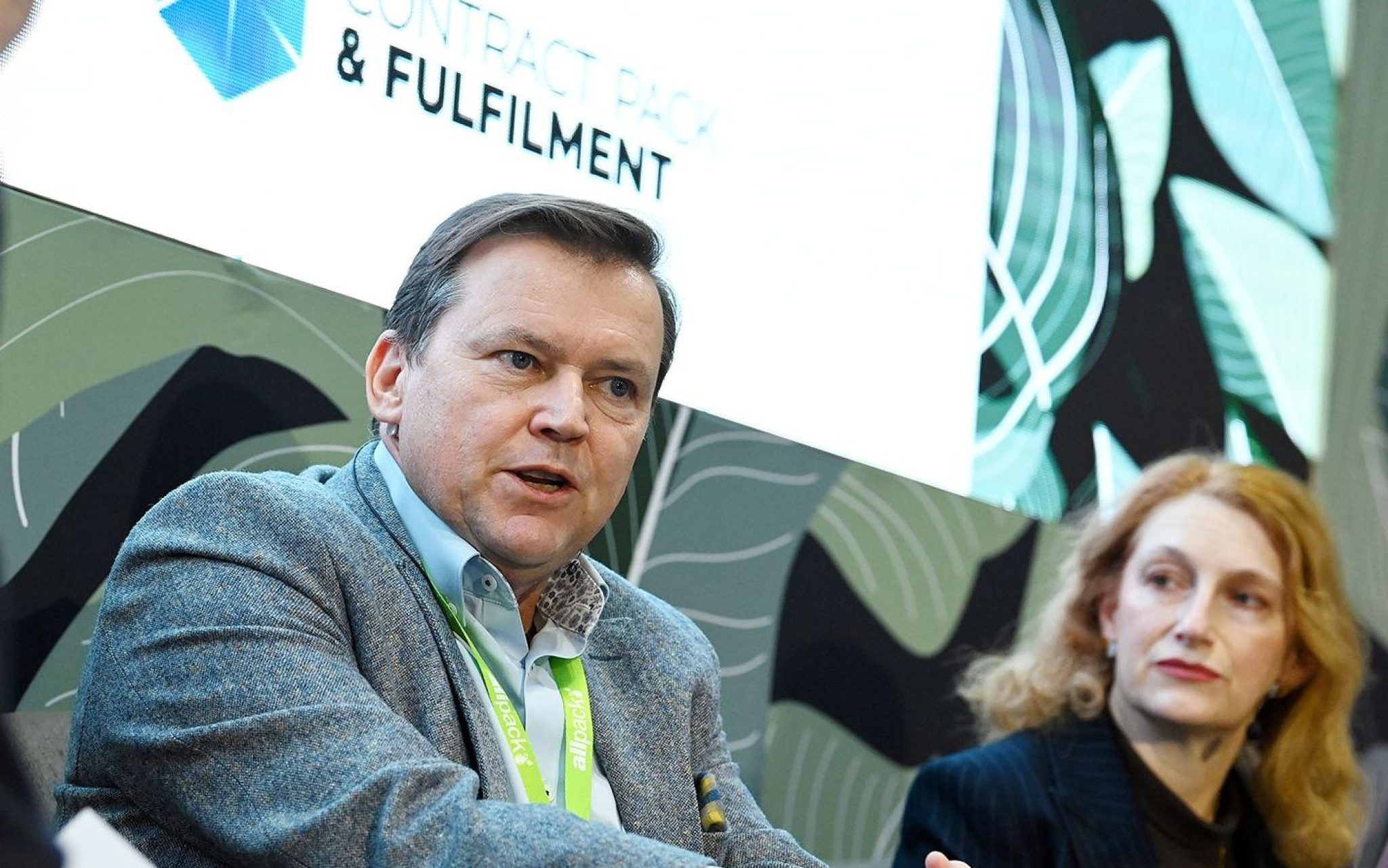

Conversations on deposit returns schemes (DRS) were high up the agenda at the Packaging Innovations & Empack 2026 event, which took place 11-12 February in Birmingham.
Deposit return schemes – where a fee added to drinks at the point of sale is reclaimed by the consumer when they recycle the used packaging – were in focus in general last week as the UK government signed off on Wales’ request to run a DRS with different criteria to the rest of the home nations. The proposed Wales scheme includes collection of glass containers despite the wider UK structure, which is due to come into force in October 2027, only covering plastic, steel, and aluminium packaging.
The inconsistency across the UK nations’ individual schemes has been criticised by drinks trade groups, with fears it will cause administrative and operational challenges – particularly because there is a proposed four-year delay before recycling labels for glass must be implemented.
But the Packaging Innovations & Empack event, hosted at the NEC, brought some leading thinkers on the subject together to share best practice as the UK becomes more laser focused on packaging recycling and waste reduction.

Julian Hunt, director of Exchange for Change, the organisation tasked with overseeing the implementation of the UK-wide DRS, said: “If this scheme is to deliver effectively within the framework of effective Extended Producer Responsibility [legislation], it has to be run by industry.
“We were very clear from day one this has to be by industry, for industry, to ensure that industry delivers on its legal obligations but delivers it in a way that works for consumers, and critically of course, works for the planet and delivers the outcomes that we all want to see from a deposit return scheme.”
Sarah Horner, UK & Ireland director at circular economy organisation Reloop, explained what can be learnt from initial DRS work conducted in Scotland, which was due to launch a scheme in 2022 and then in 2025 before falling in line with the wider UK programme.
“We analysed what Circularity Scotland did there and they basically had too many return points,” she noted.
“So when we were drafting the legislation, the reason we put in boundaries around return points is because there were three times as many as needed in Scotland and that’s an added cost. We’ve given some guidelines in the legislation to [Exchange for Change], but there’s an onus on them to review that and make sure they’re sufficient.”
Ireland has ploughed on with its own scheme, which launched in February 2024.
Close collaboration between industry and government, and efforts to drive consumer engagement, have resulted in early success with the scheme. Ciaran Hope, chief operating officer for Re-turn, which operates the Irish DRS, commented: “We do a coastal survey around the country every year and they survey 500-550 sites.
“On average it used to find 100–110 containers per kilometre. Last year they did that survey and it was down to about five – it was the lowest in a quarter century. In less than a year, we’ve wiped out all material that existed in rivers and seas.”
DRS implementation in the UK has been subject to several delays, and clearly there is still work to do before industry, policymakers and all nations are singing from the same hymn sheet.
But the conversations will continue, and events such as Packaging Innovations & Empack provide a platform for different parties to come together and discuss best practice and next steps.
[image credits: Packaging Innovations & Empack]


