
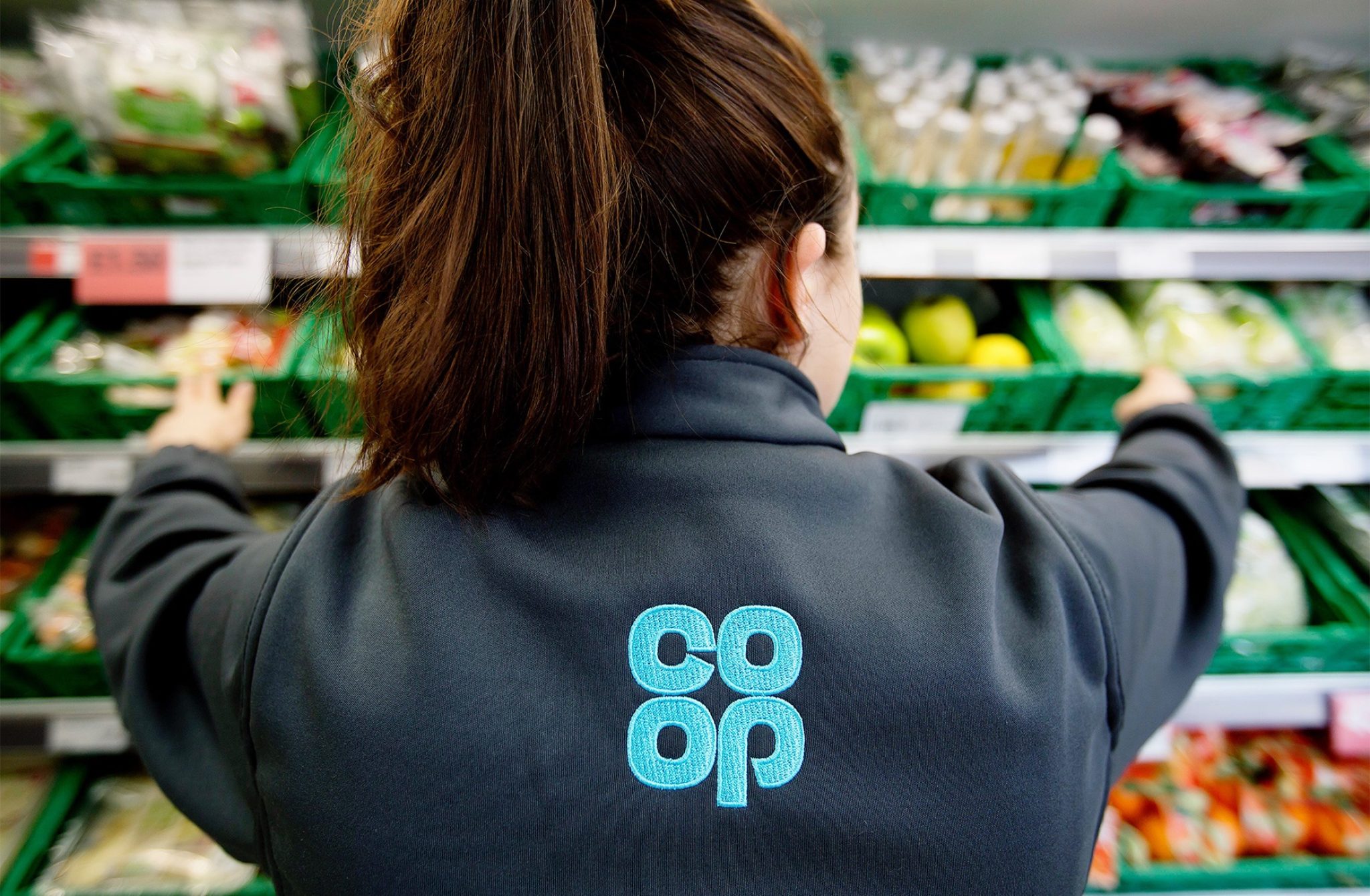

Grocer Co-op has committed to enhance sustainability across its fresh produce supply chain by requiring all UK-grown products it stocks to be LEAF Marque-certified by January 2027.
The convenience retailer said it will roll out the environmental certification in its stores throughout 2026, in partnership with British growers and farmers, as part of an ongoing strategy to strengthen resilience in its fresh produce supply chain.
The new LEAF Marque is a recognised standard for sustainable farming, and is a sign of integrated farm management practices that promote soil health, biodiversity, and the protection of water resources. The certification will work alongside existing reassurance schemes Co-op markets on products such as Red Tractor.
Olivia Theaker, Co-op’s agriculture manager, commented: “Supporting British agriculture has never been more important and we’re proud to champion home-grown produce across our stores all year around.
“We work with passionate farmers and growers who are going above and beyond in protecting soil health, biodiversity and water resources, and our move to the LEAF Marque has been shaped with them as we continue to remain laser focused in our sustainability goals and efforts.”
Co-op said it spends more than £700 million per year with British farmers and agriculture suppliers, including the sourcing of British grown produce such as its 100% British Potatoes and carrots all year round.
Growers and producers in Co-op’s produce grower group, known as The Fresh Produce Forum, were consulted and involved in the decision to introduce LEAF. And Co-op said the network, which was set up to foster collaboration and open dialogue on the real challenges facing producers, will be instrumental throughout the process of the standard being rolled out.
Clare Mike, director of LEAF Marque and international development, remarked: “This is a powerful demonstration of the strength of partnerships in driving real, measurable progress towards more climate-positive, nature-friendly farming.”
She added that the partnership is an example of a business strengthening the connection between how food is produced and the positive impact it can have on the environment.
Last week, WWF released its annual What’s in Store for the Planet report, saying retailers’ progress in reducing environmental risks is stagnating, and a “broken food system” is causing eco collapse.
It warned supermarkets are “playing with fire” and threatening future commercial viability without delivering necessary systems-level change – but highlighted a move towards regenerative farming as a positive step amid what it described as wider slow progress within the industry towards protecting nature.
[image credit: Co-op]


