
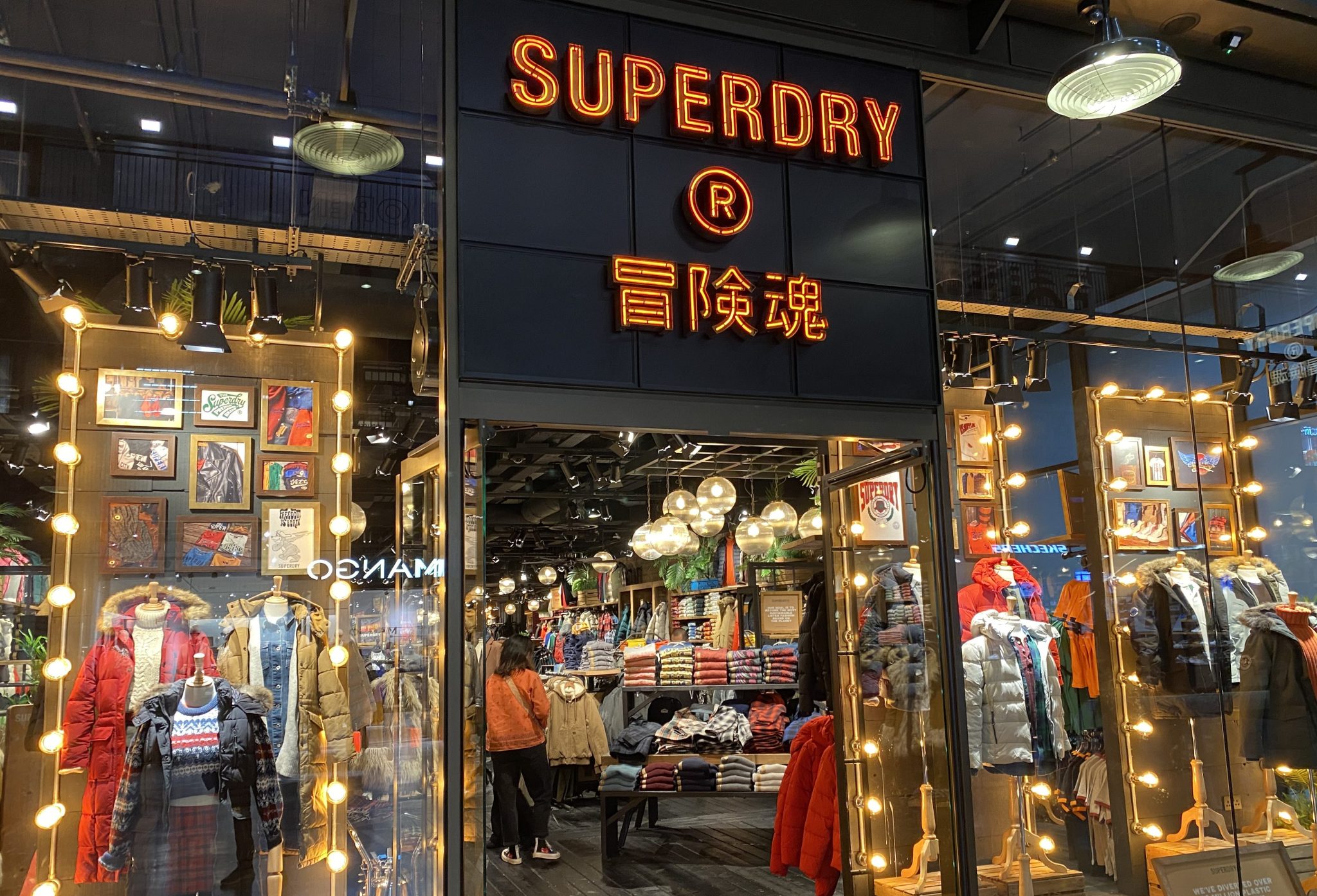

Lacoste, Nike, and Superdry have had ads banned by the Advertising Standards Authority (ASA) for overstating sustainability claims.
Paid-for Google search ads from each brand made unsubstantiated or overly broad environmental claims, according to ASA. The decisions, which come as part of a wider investigation into green claims in the fashion sector, underline increasing regulatory pressure on retailers to ensure sustainability language is specific and evidence-based.
All three cases were flagged through the ASA’s AI-driven Active Ad Monitoring system, which scans online ads for potential breaches.
Lacoste: ‘Sustainable clothing’ claim falls short
Lacoste’s ad promoting “Lacoste Kids – Sustainable […] clothing” was ruled misleading after the brand failed to provide evidence that the products had no detrimental environmental impact across their full lifecycle.
The retailer pointed to significant improvements in its kidswear range, including increased use of certified organic and recycled materials, and lifecycle analysis showing reductions in environmental footprint between its spring/summer 2022 and 2025 collections.
Approximately 78% of the range was made from certified fabrics, it said.
However, ASA said the absolute term “sustainable” required a far higher level of substantiation and should have been qualified in the ad itself. While the products had improved over time, Lacoste could not demonstrate that the range was environmentally neutral across raw materials, manufacturing, packaging, distribution, use and end-of-life.
The brand removed the ad once notified.
Nike: Recycled content is not enough for ‘sustainable materials’
Nike also fell foul of the CAP Code for claiming its tennis polo shirts used “sustainable materials”. Although all products in the summer 2025 tennis range were made from at least 75% recycled polyester, and Nike supplied Higg MSI data showing lower CO₂ emissions for recycled versus virgin fibres, ASA deemed it insufficient.
The watchdog emphasised that consumers would interpret “sustainable materials” as an absolute claim, implying no negative impact throughout the products’ entire lifecycle.
Nike’s evidence was limited to cradle-to-gate assessments and did not cover downstream impacts or demonstrate environmental neutrality. ASA also rejected Nike’s argument that character limits in Google ads prevented proper qualification.
Superdry: ‘Sustainable style’ too broad and unqualified
Superdry’s Google ad inviting consumers to “Unlock a wardrobe that combines style and sustainability” was similarly judged misleading.
The retailer said the ad referred to apparel with recognised sustainability credentials, supported by Textile Exchange-backed certifications and its own 2024 financial year data showing that 64% of items contained sustainably sourced materials.
But ASA found the lack of qualifying information meant consumers would reasonably interpret the claim as applying universally across Superdry’s range, and implying no environmental harm. Superdry acknowledged that full product lifecycle data was not publicly available and confirmed the ad had been removed.
Regulatory message: precision, not puffery
Across all three rulings, ASA reinforced the same principle: broad, absolute terms like “sustainable”, “sustainability”, and “sustainable materials” require clear qualification and robust, lifecycle-wide substantiation. Incremental improvements or use of certified or recycled fibres alone will not meet this threshold.
The regulator instructed all three retailers to ensure future green claims are precise, clearly explained and fully evidenced – sending a clear signal that environmental marketing in fashion must now match the rigour of its regulatory scrutiny.
Read more about green claims on Green Retail World
[image credit: Green Retail World]


