

In this series we talk to the individuals and companies helping retailers become greener businesses – highlighting the tools, technologies, and options available to support a change in environmental focus.
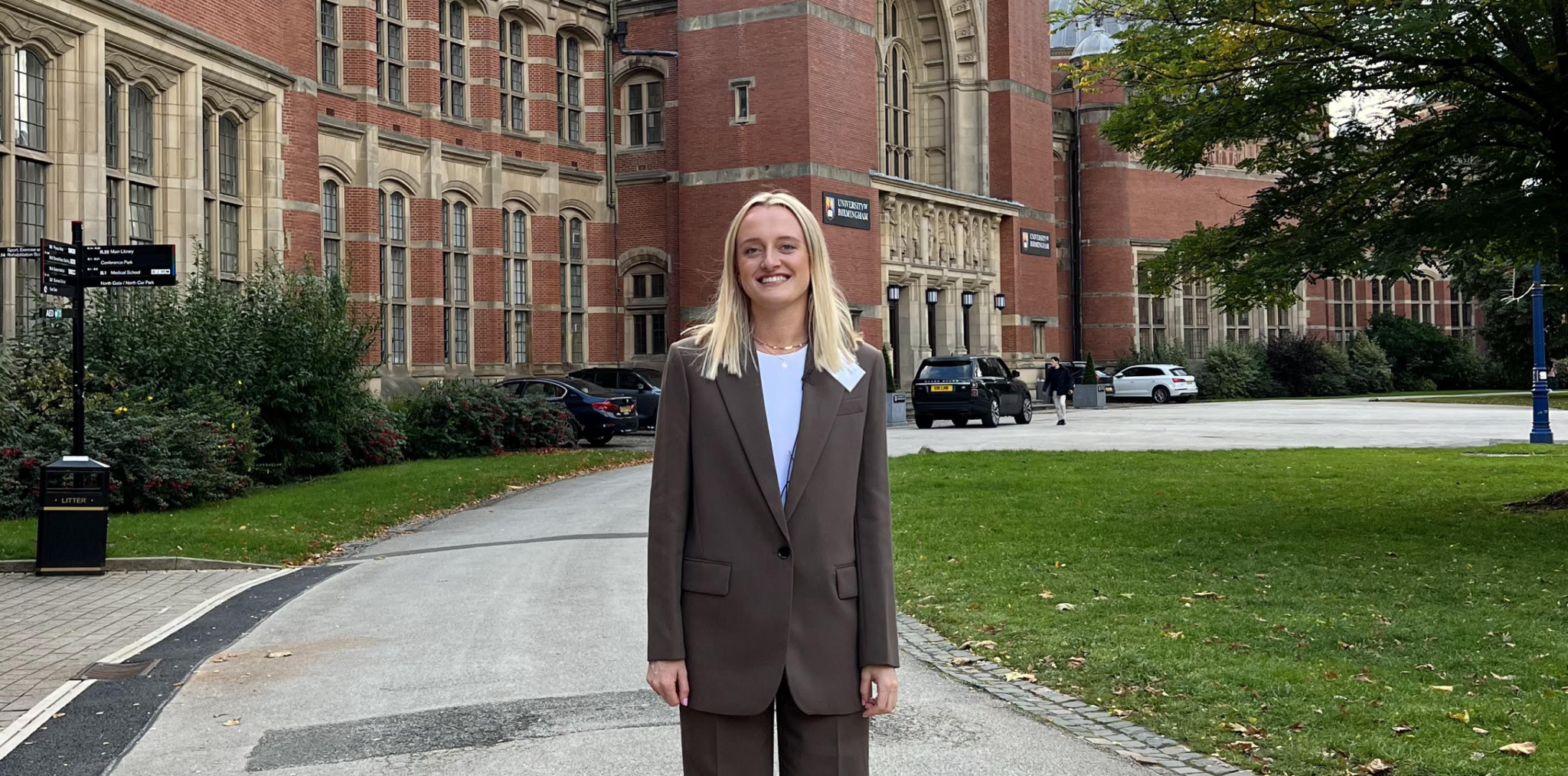
It’s a big year for Hazaar, its founder Harriet Noy (HN), and her growing team – so, Green Retail World (GRW) caught up with Noy to find out what her business is all about and what the retail industry can expect to see from the organisation in the coming months.
The company started as a Facebook group in 2020 when Noy was in her second year at the University of Birmingham, but it was soon launched as an official business before app development began in July 2020. It brings brands directly to the student population, fuelling a hyper-local second-hand market, and helping to keep clothing in circulation.
GRW: What’s the story about Hazaar’s development and your company’s USP?
HN: Hazaar is the UK’s first student marketplace, changing the way brands connect with the student audience. By transforming excess stock into high-impact marketing opportunities, we help brands engage with students in a way that clears excess stock, enhances brand image, and creates long-term loyalty.
Our platform provides students with access to the brands they love at prices they can afford; creating a seamless shopping experience that prioritises affordability, accessibility, and sustainability. More than just a marketplace, Hazaar is building a vibrant community where brands and students meet to shape a more circular future.”
GRW: What’s the grand aim of Hazaar?
HN: Hazaar is set to become the go-to community for students. Our goal is to be the platform students talk about, show up for and want to be part of. We believe that sustainability shouldn’t come at a sacrifice. We’re making conscious consumption accessible for university students.
GRW: What successes have you had to date?
HN: We’ve worked with fashion retailer Oh Polly to develop and refine our brand marketplace on a localised scale; we’ve partnered with eight UK universities to offer the platform to their students; and we are working with Wrap and are recognised by the NGO as a circularity solution for brands.
GRW: What are the key plans for the year ahead at Hazaar?
HN: We’re launching to 5.2 million students and three years of graduates in September – we have 20 brands lined up to launch with us between September and December. We cannot wait!
Every brand we partner with is handpicked based on what students want – we work with the brands to align their stock to what students want at that point in time. For example, in September we’re launching a partnership with a refurbished Macbook company – helping students get affordable Macbooks (I wished Mac’s were more affordable when I was a student).
We have some amazing collaborations lined up – as a team, we are just so excited to launch and show students what we’ve been working on – and also to start delivering real value for brands.
GRW: How can retail brands work with you to support their own sustainability/circularity journeys?
HN: We work with brands to give a new lease of life to stock that might no longer be front and centre – things like last season’s styles, excess, or returned items – and introduce it to our highly engaged student base at slightly discounted prices.
Hazaar helps brands stay sustainable, reach new lifelong customers, and maintain their identity – win-win-win!
GRW: Can re-commerce and more circular business models really slow down overproduction in fashion; how confident are you that we’re moving in a positive direction as a fashion industry?
HN: I attended a circular fashion conference recently and heard something I’d never heard before, but it really stuck… co-founder/CEO at Circular Way John Atcheson reminded the room that car dealerships have been running circular models for decades, giving customers a clear choice: buy used or buy new.
Why should fashion or lifestyle be any different? It was a great reminder that we’re not reinventing the wheel, we’re just applying what already works to more categories. So yes – I believe wholeheartedly in circular business models within fashion. They’re just getting started.
GRW: What is going to accelerate the fashion retail industry’s work in the sustainability space?
HN: Brands should say yes to circular opportunities – give them a go. Test and learn until they find what works for their brand. Oh Polly recently said it’s open to trying new things – what’s the worst that could happen?!
Once the commercial benefits of introducing circular business models are clearer, mass adoption is likely to happen – so we need to see more successes for brands.
GRW: Who is your retail sustainability hero, or what company do you admire?
HN: Online food waste reduction app Too Good To Go is totally awesome – how it’s cultivated businesses onto its platform and also changed consumer behaviour about eating left over food – people see it as savvy not as ‘slumming it’. They’re a great example of a profitable circular business – with a clear commercial model that works for them, their partners and their customers who eat the food.
At Green Retail World we are giving greener retail champions, like Harriet and Hazaar, a chance to explain how they are helping retailers become greener businesses. Please contact editor, Ben Sillitoe, if you’d like to put yourself forward for an interview on this key subject. Sharing good practice can help the wider sector move in a positive direction.
[image credit: Hazaar/Harriet Noy]


